

A gorilla trek near Volcanoes National Park can be one of the most memorable days of a journey to Rwanda. But the choices around that day matter too: where you sleep, what your accommodation buys locally, how water and energy are used, and whether tourism brings benefits beyond the visitor. What is sustainable hospitality? It is a practical approach to hosting guests with care for the environment, local people, and the long-term character of a destination.
It is not about expecting travelers to give up comfort or judging every choice they make. It is about creating a stay that feels good in more than one way: peaceful for the guest, respectful of the place, and useful to the community that welcomes them.
What Is Sustainable Hospitality?
Sustainable hospitality means running accommodation, dining, and guest experiences in ways that reduce unnecessary harm and create meaningful local value. A hotel, lodge, or resort considers its use of energy, water, food, materials, and labor, then looks for realistic ways to make each area more responsible.
The environmental side often gets the most attention. This can include solar energy, solar water heating, water-saving practices, careful waste management, and gardens that provide fresh produce. These measures matter because hospitality uses resources every day, from laundry and showers to kitchens and lighting.
Yet sustainability is broader than environmental action. A property can also support local employment, buy from nearby suppliers where possible, preserve a sense of place, and contribute to community priorities. In Rwanda, responsible tourism can help ensure that the value created by visitors reaches people beyond the tourism business itself.
A truly sustainable approach also requires honesty. No accommodation is without an impact. Guests travel, rooms require energy, meals require ingredients, and facilities need maintenance. The goal is not to make perfect claims. It is to make better decisions consistently, measure what can be measured, and keep improving.
Why Sustainable Stays Matter in Rwanda
Rwanda's landscapes, wildlife, and welcoming communities are central to why many people visit. Around Musanze, travelers come to experience the Virunga volcanoes, trek for mountain gorillas or golden monkeys, and enjoy the green countryside between adventures. These places are special, but they are not simply a backdrop for a vacation. They are living environments and communities.
When tourism is managed thoughtfully, it can support jobs, local businesses, conservation awareness, and opportunities for young people. When it is managed poorly, it can place added pressure on water, land, waste systems, and local culture without sharing benefits fairly. That is why a responsible stay is not a small detail in a travel plan. It is part of how a visitor participates in the destination.
For travelers, choosing a sustainable property can also make a trip more connected. Fresh food from a garden, birdlife outside your room, local conversations, and an atmosphere shaped by the surrounding area can feel more memorable than a generic hotel experience. Sustainability, at its best, makes room for these genuine connections.
What Sustainable Hospitality Looks Like in Practice
The strongest sustainability efforts are visible in daily operations, not only in a mission statement. They are often simple, practical decisions that add up over time.
Using Energy More Carefully
Energy is essential for a comfortable stay, especially for hot water, cooking, lighting, Wi-Fi, and room services. Solar energy and solar water heating can reduce reliance on conventional power sources while still supporting guest comfort. Efficient lighting and equipment, as well as sensible maintenance, also help prevent energy from being wasted.
The right solution depends on the property. A small guesthouse, a larger resort, and a remote lodge will have different needs and budgets. What matters is a willingness to understand energy use and invest in improvements that make sense for the setting.
Respecting Water as a Shared Resource
Water conservation is especially important in hospitality because guests naturally use water for bathing, laundry, cleaning, and dining. Responsible practices may include maintaining plumbing quickly, using water efficiently in gardens, avoiding needless linen washing, and helping guests understand that small choices can make a difference.
This does not mean asking visitors to compromise on hygiene or basic comfort. It means recognizing that clean water is valuable to residents, farms, businesses, and ecosystems. A considerate property builds this awareness into its operations without making the guest experience feel restrictive.
Growing and Serving Food With Care
An ecological fruit and vegetable garden can bring the idea of sustainability close to the table. When conditions allow, growing some produce on-site can reduce transport, provide fresh ingredients, and connect meals to the local seasons. It also creates a more direct relationship between the kitchen, the garden, and the guest.
Not every ingredient can be grown locally, and not every property has suitable land. Responsible sourcing is therefore about progress rather than an all-or-nothing standard. Seasonal choices, reduced food waste, and support for local farmers can all be worthwhile steps.
Protecting the Feel of the Natural Setting
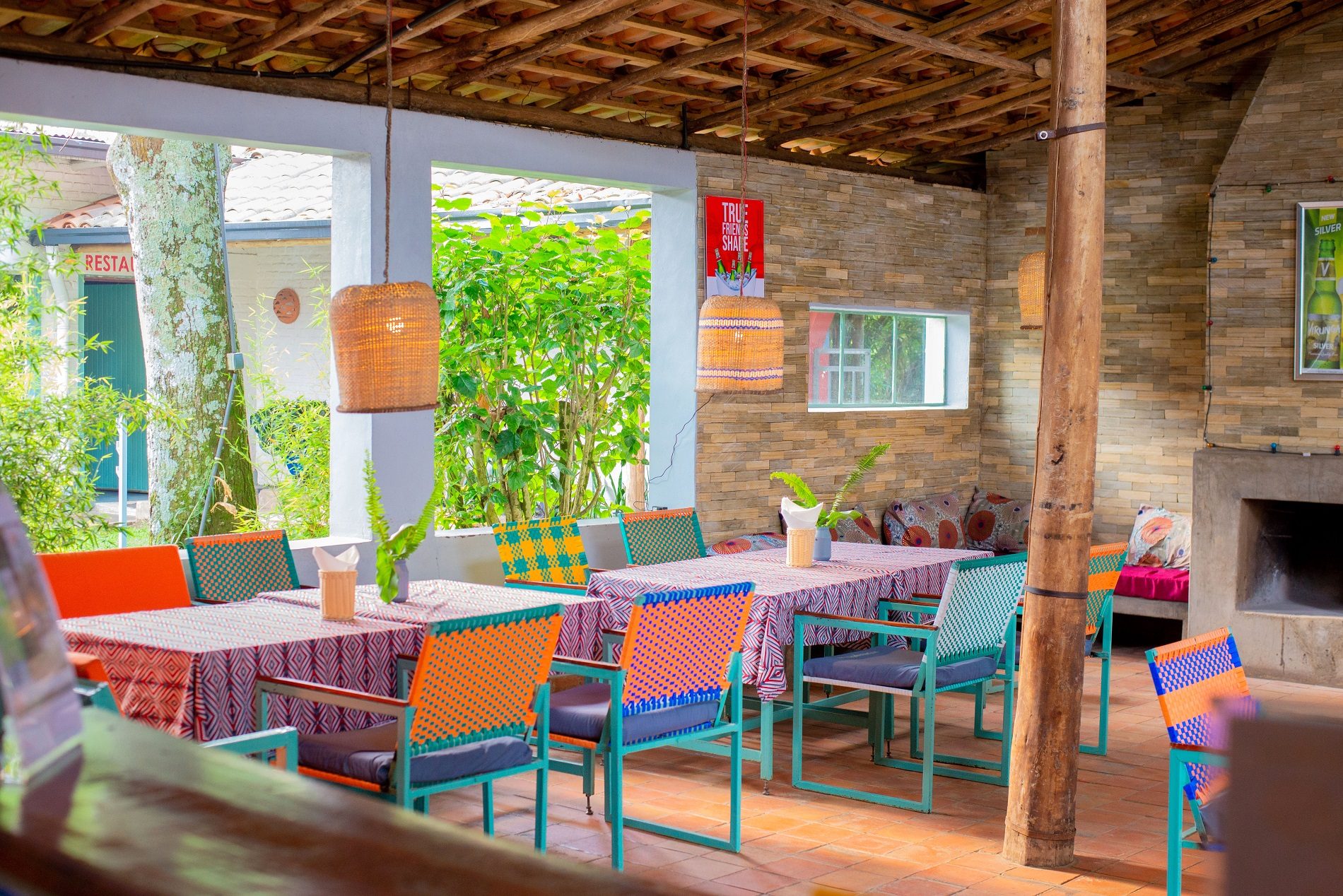
Nature-connected hospitality is not only about large conservation projects. It can begin with a well-cared-for garden, native planting where appropriate, spaces that welcome birdlife, and thoughtful use of outdoor areas. These details give guests a quiet place to rest before or after an active day in the national park region.
They also encourage a different pace of travel. Instead of treating a destination as a checklist, guests have time to notice the sound of birds in the morning, the changing light on the garden, and the people who make a stay welcoming.
Creating Local Social Value
The social side of sustainable hospitality asks a direct question: who benefits when a guest checks in? Employment, fair and respectful working conditions, local purchasing, staff development, and community partnerships are all part of the answer.
At Isange Paradise Resort, the connection to Future 4 Kids reflects a social hospitality model in which a guest stay can contribute to community development. The value of this approach is not that it turns a holiday into a charity project. It gives travelers an opportunity to choose accommodation aligned with a wider purpose while still enjoying the calm, attentive hospitality they need.
Sustainable Hospitality Is Not a Label You Earn Once
It is easy for sustainability to become a marketing word. Travelers should feel comfortable asking practical questions: How is energy managed? Does the property conserve water? Are meals sourced thoughtfully? Does it employ local people or support community initiatives? Can the hotel explain its efforts clearly without making sweeping claims?
Good answers are usually specific. They mention actual systems, habits, or programs rather than vague promises to be green. They may also acknowledge limits. For example, a property may use solar water heating but still depend on other energy sources, or grow some vegetables while purchasing other food from suppliers. That transparency is more meaningful than perfection.
For accommodation providers, sustainability is an ongoing responsibility. Equipment changes, guest numbers fluctuate, weather affects gardens, and community needs evolve. Regular review is necessary. A useful initiative that worked five years ago may need improvement today.
How Travelers Can Stay With Purpose
Travelers do not need to plan a flawless low-impact trip to make a positive difference. A few thoughtful choices are enough to support more responsible tourism. Staying longer in one place can reduce the rush of constant transfers and leave more room to engage with the local area. Carrying a reusable water bottle, switching off lights when leaving a room, and reusing towels when appropriate are small but useful habits.
It also helps to choose experiences with respect at their center. Follow park rules, keep a safe distance from wildlife, listen to guides, ask before photographing people, and buy locally made goods when they genuinely appeal to you. These actions show consideration for both the environment and the people whose home you are visiting.
Most of all, be curious. Ask your host what is grown in the garden, where food comes from, or how the property works with the community. These conversations make responsible travel more personal, and they signal that travelers value real action.
A stay near Rwanda's volcanoes can offer rest, adventure, and a deeper connection to place. When your accommodation treats resources carefully and keeps community benefit in view, each overnight stay becomes a quiet way to travel with purpose.







Comments
Be the first to share your thoughts.
Leave a comment