

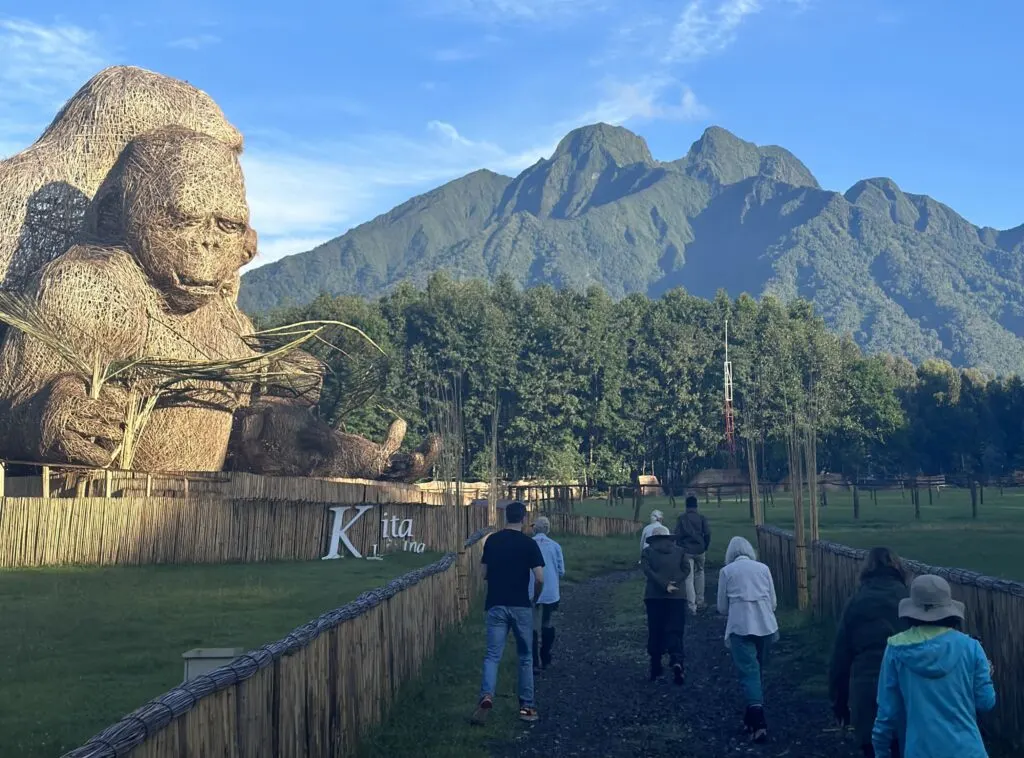
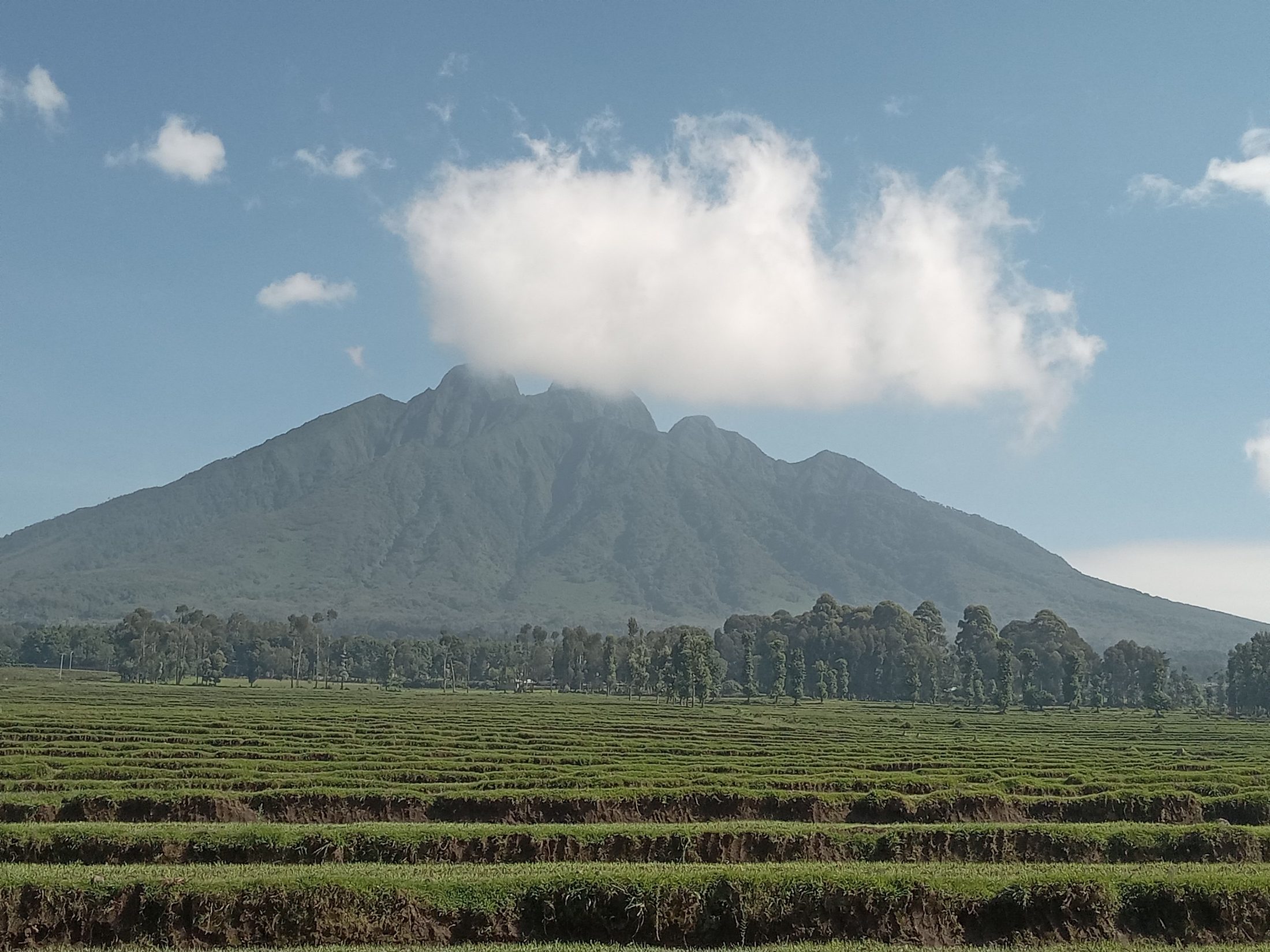
The best Rwanda cycling routes are not only about distance. They are about the feeling of climbing through misty farmland, passing potato fields and village markets, and seeing the Virunga volcanoes appear between the clouds. Northern Rwanda rewards riders who come prepared for changing weather, serious elevation, and wonderfully close encounters with everyday life.
For travelers visiting Volcanoes National Park, cycling can add an active, memorable day before or after gorilla trekking. Choose your route with care, allow more time than the map suggests, and make room for a stop at a roadside coffee shop or local market. This is riding with a sense of place.
Rwanda Cycling Routes: What Makes Them Different
Rwanda is known as the Land of a Thousand Hills for good reason. Even a short ride can include steady climbs, rolling descents, and panoramic views that make you want to stop for photos. The roads around Musanze and Kinigi are especially compelling because volcanic soils support rich farmland, while the volcanoes give the horizon its dramatic shape.
For experienced road cyclists, the smooth paved stretches can be fast and challenging. For gravel and mountain bike riders, quieter dirt roads lead toward rural communities, fields, and forest edges. The trade-off is that surfaces can change quickly after rain. A route that feels firm and flowing in the morning may become muddy, rutted, or slippery by afternoon.
Cycling here also asks for patience and awareness. Roads are shared with walkers, children, motorbikes, bicycles carrying goods, livestock, and occasional trucks. The pace is not always predictable, but that is part of the experience. Ride respectfully, slow down through villages, and greet people along the way.
Four Ride Ideas for Northern Rwanda
Musanze Town to Kinigi
This is one of the most practical rides for visitors staying near Volcanoes National Park. The road between Musanze and Kinigi offers a strong introduction to Rwanda's rolling terrain, with long views toward the volcanoes on clear days. It is a good choice for road riders who want a purposeful outing without committing to a full-day expedition.
Expect climbing rather than a flat warm-up. Start early, when the air is cooler and traffic is lighter, and carry a rain layer even if the sky looks clear. You can ride it as an out-and-back route or arrange a pickup if you would rather finish near your accommodation.
Kinigi Rural Gravel Loops
For a slower, more intimate ride, take the smaller roads around Kinigi with a local guide. These routes move through farming communities beneath the volcanoes and can be tailored to your confidence, available time, and bike type. A two-hour loop may be enough for travelers recovering from a long flight, while stronger riders can combine several lanes for a demanding half-day adventure.
A gravel bike with wider tires is ideal when conditions are dry. A mountain bike offers more comfort and control during wetter months. Do not expect every road to be signed, and avoid treating an offline map as the final authority. Local knowledge matters when a bridge, lane, or surface has changed.
Lake Ruhondo and Lake Burera Area
The lake district north and east of Musanze offers some of the region's most scenic cycling. Views open across water toward steep hills and distant volcanoes, and the route feels quieter than the main roads. The beauty comes with effort: climbs can be sustained, descents are sometimes rough, and weather can move in quickly.
This is best suited to confident riders with a full day, reliable brakes, and enough water and snacks. It is also an excellent guided option for couples or small groups who want the scenery without the stress of navigating unfamiliar rural roads. Build in time for photo stops. The landscape deserves it.
The Congo Nile Trail for a Multi-Day Challenge
Travelers with more time may consider sections of the Congo Nile Trail along Lake Kivu. It is one of Rwanda's best-known cycling experiences, combining paved roads, dirt tracks, steep climbs, lakeside views, and rural hospitality. This is not a casual add-on to a gorilla trekking itinerary. It needs planning, suitable equipment, and a realistic understanding of your fitness.
The trail can be approached in sections, which is often wiser than attempting a long itinerary too quickly. A guide and support vehicle can make the experience more comfortable, particularly for riders carrying luggage or traveling during rainy periods. If your goal is to see Rwanda beyond the parks, this is a rewarding way to do it.
Choose the Right Bike and Route Length
Your ideal route depends on your riding background and the season. A fit cyclist who regularly rides hills may enjoy a 30 to 50-mile day on pavement. For many visitors, especially at Rwanda's higher elevations, 12 to 25 miles with climbing is a more enjoyable target. There is no prize for arriving exhausted before a trek.
Road bikes work well on major paved routes, but use durable tires and carry repair supplies. Gravel bikes are the most versatile choice for mixed terrain. Mountain bikes make sense for rough rural tracks, muddy conditions, and riders who value stability over speed. An e-bike can be a thoughtful option for mixed-ability groups, though charging and reliable mechanical support should be arranged in advance.
A helmet, front and rear lights, sunscreen, sunglasses, a lightweight waterproof layer, and a basic first-aid kit are sensible on every ride. Pack more water than you think you need. Shops and roadside stands are common, but you should not depend on finding your preferred snacks or electrolyte mix outside town.
When to Ride
Rwanda can be cycled year-round, but the experience shifts with the weather. The drier periods, generally from June through September and from December through February, often bring firmer unpaved roads and clearer mountain views. They are usually the easier months for visitors who want to ride gravel without deep mud.
Rainy seasons make the countryside intensely green and can be beautiful for photographers, but they require flexibility. Afternoon showers are common, so early departures are the safest choice. Mud can turn a short route into a technical one, and fog may reduce visibility near the volcanoes. If conditions feel wrong, changing the plan is good judgment, not a missed opportunity.
Ride Safely and Respectfully
A local guide is worth considering for any off-main-road ride. Guides help with route selection, communication, mechanical issues, and the small decisions that make a day feel relaxed rather than uncertain. They also help visitors ride in a way that respects communities, farms, and private land.
Keep your speed low in busy areas and on descents with limited visibility. Give people, animals, and other cyclists plenty of room. Ask before taking close portraits, support local businesses when you stop, and leave no litter behind. Rwanda's landscapes are not a backdrop for a ride. They are home to the people you meet along the way.
For a comfortable northern Rwanda base, Isange Paradise Resort can help travelers shape a cycling day around their Volcanoes National Park plans, with restful accommodation, garden surroundings, and purpose-led hospitality. Staying with intention means your journey can support more than your own adventure.
Make Cycling Part of a More Meaningful Stay
A ride before gorilla trekking can loosen stiff travel legs and introduce you to the region's geography. A gentle recovery ride afterward gives you time to absorb the experience without rushing to the next destination. For families and less confident riders, a short village loop may be more valuable than a difficult summit effort.
Plan for the route that leaves you energized, curious, and ready to enjoy the rest of Rwanda. The finest days on two wheels are rarely measured only by elevation gained. They are remembered for the warm greetings, the volcano view that finally clears, and the feeling that your travel has connected you to a place rather than simply passed through it.





Comments
Be the first to share your thoughts.
Leave a comment