

A gorilla trekking permit can be one of the most memorable purchases a traveler makes. It can also be the start of a wider choice: whether the money spent before and after the trek helps protect the landscape and strengthens the communities that live beside it. That is where eco tourism becomes more than a scenic itinerary. In Rwanda, it is an opportunity to experience rare wildlife while traveling with care, curiosity, and purpose.
For visitors heading to Volcanoes National Park, the goal is not to make a trip perfect or impact-free. Travel always uses resources. The better goal is to make thoughtful decisions that direct more value toward conservation, local livelihoods, and respectful cultural exchange.
What Eco Tourism Means in Rwanda
Eco tourism is often reduced to a few familiar images: solar lights, refillable water bottles, and a lodge surrounded by trees. Those choices matter, but they are only part of the picture. Meaningful eco tourism considers the full relationship between a visitor, a destination, wildlife, and the people who call that place home.
In Northern Rwanda, that relationship is especially visible. Volcanoes National Park protects a remarkable highland ecosystem and endangered mountain gorillas, while surrounding communities depend on the region's economic opportunities. Tourism revenue, conservation work, responsible guiding, local employment, and community-led projects can reinforce one another when travel is managed well.
A responsible stay therefore asks practical questions. Who is employed here? Where does the food come from? Are local makers, guides, drivers, and businesses included in the visitor economy? Does the property limit waste and use resources carefully? Most importantly, does it return lasting value to the community beyond a guest's checkout date?
The answers will vary by property and activity. A small, locally rooted guesthouse may have a lighter footprint and closer community connections, while a larger lodge may support conservation programs and employ more people. What matters is transparency, effort, and a willingness to improve rather than a perfect marketing label.
Eco Tourism Starts With Where You Stay
Your accommodation shapes more than your sleep before an early trek. It determines where a meaningful portion of your travel budget goes, how far you need to travel each day, and how connected you feel to the destination.
Staying near Volcanoes National Park can reduce unnecessary driving on trekking mornings and leave more time to enjoy the landscape at an unhurried pace. A comfortable base also matters after a day on muddy forest trails, cycling through the countryside, or visiting a local coffee experience. Responsible travel does not require sacrificing rest, good food, or warm hospitality. It asks that comfort be delivered with greater care.
Look for accommodations that share clear details about their environmental and social practices. This could include gardens that supply the kitchen, reduced single-use plastics, energy- and water-saving measures, fair local hiring, artisan partnerships, or a stated commitment to reinvesting in community programs. A property should be able to explain its impact in specific terms, not only use green language.
At Isange Paradise Resort, guests can stay with purpose while enjoying a peaceful garden setting and practical access to the Volcanoes region. As a social business, 100% of profits are reinvested through Future 4 Kids into education, health, and community initiatives. That means a stay, meal, or gathering can contribute to something that continues long after the journey home.
Choose Wildlife Experiences That Put Welfare First
Gorilla trekking is a privilege, not a performance. Mountain gorillas are wild animals, and the rules around trekking exist to protect their health, behavior, and habitat. Follow your guide's instructions closely, keep the required distance, speak quietly, and never pressure a guide to bring you closer for a photograph.
If you are unwell, be honest before joining a trek. Gorillas share much of our biology and can be vulnerable to human respiratory illnesses. Missing an activity may be disappointing, but protecting an already endangered population is the responsible choice.
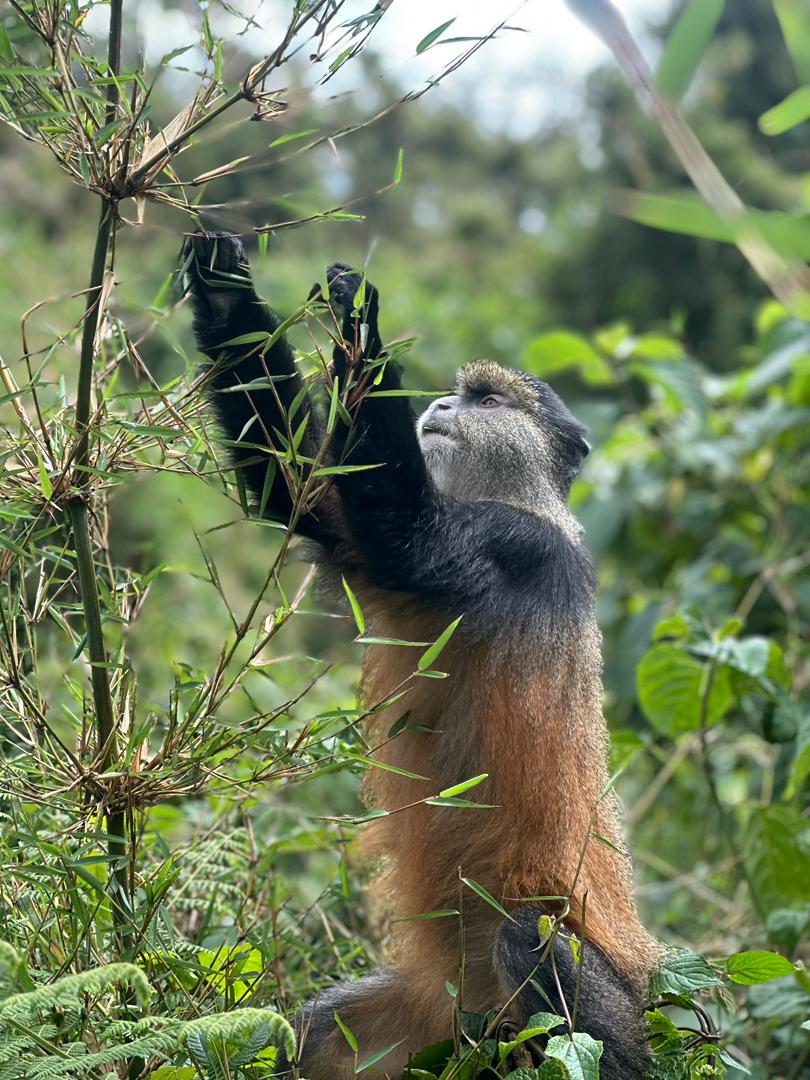
The same care applies to golden monkey trekking, birding, and any wildlife encounter. Avoid feeding animals, touching them, or choosing attractions that encourage distress, confinement, or unnatural behavior. A meaningful encounter leaves the animal free to behave as it normally would, even if that means fewer photos and more patience.
Photography deserves its own moment of restraint. Put the experience before the image. Keep flash off where requested, stay present, and accept that mist, movement, and forest shade are part of the story. The best souvenir may be the memory of watching a gorilla family move calmly through bamboo, not a perfectly framed post.
Spend Locally, With Respect
The impact of a Rwanda trip extends well beyond park fees. Meals, coffee, transport, cultural visits, crafts, and guiding all create opportunities to support people directly connected to the destination.
Choose restaurants that prepare local ingredients when possible. Ask about Rwandan coffee and take time to enjoy it rather than treating it as a quick stop between activities. Buy crafts from makers or businesses that can explain who produced them and how the income is shared. If you book a local guide, agree on the price in advance and honor it fairly.
Respect also means avoiding the idea that communities exist to provide a backdrop for visitors. Ask before taking portraits. Learn a few Kinyarwanda greetings. Dress appropriately for the setting, listen more than you speak, and do not distribute gifts to children without guidance from a trusted local organization. Direct giving can unintentionally create pressure or inequality. Supporting established, community-led programs is usually the more useful path.
There is room for joyful travel here. Share a meal, play table tennis, join a cycling route, or talk with people you meet. Eco-conscious travel is not about moving through Rwanda solemnly. It is about treating hospitality and human connection as something to value, not consume.
Reduce Waste Without Turning Your Vacation Into a Chore
Small habits make a real difference in destinations where waste collection and recycling options may be limited. Bring a reusable water bottle if your itinerary supports refills, carry a small reusable bag, and avoid taking disposable items you do not need. Use refillable toiletries for longer trips when practical.
Water and energy deserve the same attention. Shorter showers, switching off lights and air conditioning when leaving a room, and reusing towels when appropriate are simple actions. They are not dramatic, but responsible tourism is built through repeated everyday choices.
Travel planning can reduce impact as well. Group transfers where possible, combine nearby activities instead of crisscrossing the region, and allow enough time in each place. Rushing between destinations often creates more driving, more spending with outside operators, and less connection to the communities you came to see.
Ask Better Questions Before You Book
Travelers have more influence than they may realize. When guests ask hotels, tour operators, and activity providers about their practices, businesses have a reason to make those practices visible and improve them.
Before booking, ask how the company supports local employment, whether guides are trained and paid fairly, and how it handles waste and water use. For wildlife activities, ask what rules protect animals and how group sizes are managed. For community experiences, ask whether local participants designed the experience and receive a fair share of the income.
Be wary of promises that sound too easy. A claim of being “green” without details is not enough. Neither is a community visit that feels staged, rushed, or built around pity. Good eco tourism gives hosts agency, pays fairly, and allows guests to learn without treating anyone's daily life as entertainment.
Travel With Purpose, Then Carry It Forward
Rwanda offers powerful reasons to travel: volcanic scenery, extraordinary wildlife, welcoming hospitality, rich coffee culture, and communities whose work is shaping the future of the region. The choices made around those experiences determine whether a visit simply passes through or leaves something positive behind.
Book thoughtfully, follow park guidance, spend with local businesses, and give yourself time to be present. When your journey supports both the forest and the people who live near it, the memories carry a deeper kind of value - one worth bringing home and sharing.





Comments
Be the first to share your thoughts.
Leave a comment