A gorilla trek begins early, often before the first light reaches the Virunga volcanoes. After a demanding day on the trail, most travelers want the same things: a warm shower, good food, a quiet room, and a welcoming place to rest. Yet when choosing an eco resort vs standard hotel Rwanda travelers often find that the difference is not simply style. It is about what happens behind the scenes, where your money goes, and how your stay connects with the place you came to experience.
For visitors heading to Musanze and Volcanoes National Park, both options can provide comfort and convenience. The right choice depends on your priorities, travel pace, and the kind of impact you hope your visit will have.
Eco Resort vs Standard Hotel Rwanda: The Real Difference
A standard hotel is generally designed around reliable accommodation and service. This can mean a convenient location, private rooms, restaurant service, Wi-Fi, and a straightforward base for trekking, meetings, or touring. Many travelers appreciate the familiarity of this model, especially on a short itinerary when practical details matter most.
An eco resort provides those same essentials while giving additional attention to how hospitality uses natural resources and relates to its local community. At its best, this is not about asking guests to give up comfort or making broad promises about saving the planet. It is about practical choices: using solar energy where possible, heating water with solar power, conserving water, growing food in an ecological garden, and avoiding unnecessary waste of resources.
The word “eco” should mean something visible and credible. A thoughtful property will be able to explain its practices clearly rather than relying on green language alone. Travelers should feel comfortable asking what the resort actually does, how those efforts work day to day, and whether they suit their needs.
Comfort Is Not the Opposite of Responsibility
Some travelers hear “eco accommodation” and imagine a stay that is basic, remote, or inconvenient. That may be true for certain properties, but it is not a rule. In Rwanda, an eco-minded stay can still include a comfortable bed, a welcoming restaurant, dependable Wi-Fi, private outdoor space, and a peaceful lounge to return to after trekking.
The difference may be in the details. Solar water heating can reduce dependence on other energy sources while still supporting the warm shower you need after a rainy forest hike. A fruit and vegetable garden can bring fresh ingredients closer to the kitchen. Water conservation can be handled through sensible operational choices, rather than placing the full responsibility on guests.
A standard hotel may also take responsible steps, of course. The categories are not always completely separate. The most useful question is not whether a property calls itself green, but whether its approach to resources is active, realistic, and consistent.
What this means after a trek
For gorilla trekking and golden monkey trekking travelers, recovery and calm often matter more than elaborate extras. You may value a quiet garden, fresh meals, friendly assistance with an early departure, and an environment where birds and greenery remain part of the experience.
If your itinerary is tightly planned, a standard hotel may be the simplest fit, particularly if it offers the location and services you need at the right price. But if you have chosen Rwanda partly for its landscapes, wildlife, and culture, an eco resort can make the time between adventures feel more connected to the country as well.
Location Near Volcanoes National Park Still Comes First
Sustainability is meaningful, but it should not distract from the basics of travel planning. For visitors to Volcanoes National Park, location matters. An accommodation in or near Musanze can make early starts easier and leave more time for rest, meals, and local exploration.
Consider your full itinerary before booking. Are you arriving late from Kigali? Do you need an early departure for park activities? Are you traveling with children, older family members, or a small group with different energy levels? A peaceful property with comfortable rooms and practical access can make a real difference.
Eco resorts and standard hotels can both be well located. The better choice is the one that supports your plans without adding unnecessary travel time or stress. If you are visiting for more than one trek, a restful setting may become even more valuable on the second or third morning.
Where Your Stay Can Reach Beyond Your Room
One of the clearest distinctions between an eco resort and a standard hotel is often the social purpose behind the stay. Responsible tourism is not only about energy, gardens, or reducing single-use items. It can also involve employing locally, purchasing from nearby suppliers, sharing local knowledge respectfully, and contributing to community development.
That contribution should be communicated with humility. Travelers do not need to be made to feel that a vacation is a donation. They simply deserve to know whether their choice of accommodation helps create a wider local benefit.
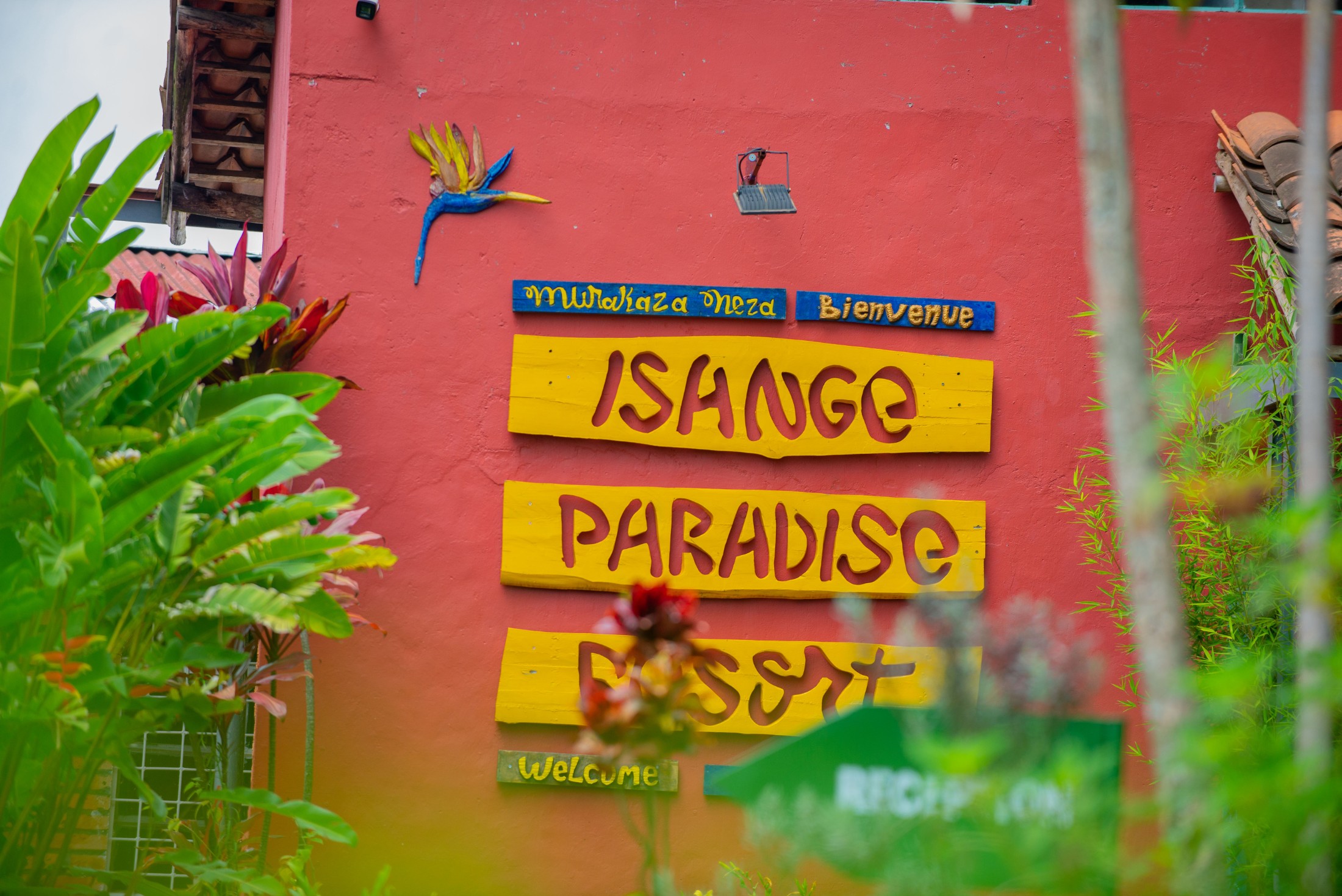
At Isange Paradise Resort in Musanze, this purpose is connected to Future 4 Kids community-development initiatives. For guests, the experience remains a holiday: time to relax, explore the region, and enjoy Rwandan hospitality. The difference is the knowledge that the stay also supports work beyond the resort grounds.
This model will not be the deciding factor for every traveler, and that is understandable. Budget, availability, room type, and logistics are real considerations. Still, for guests who want their visit to Rwanda to have a positive local connection, it can be an important part of the decision.
Questions Worth Asking Before You Book
A little research helps separate meaningful practices from vague claims. Look beyond phrases such as “green,” “natural,” or “eco-friendly,” and ask how the property operates.
You might ask whether the hotel uses solar power or solar water heating, how it manages water use, whether food is grown on site or sourced locally, and how it supports local employment or community programs. You can also ask about the practical guest experience: room comfort, hot water, meal options, Wi-Fi, transport arrangements, and the distance from your planned activities.
It is also fair to ask what compromises may exist. A smaller eco resort may have fewer room categories or less of the standardized service found at a larger hotel. On the other hand, it may offer a quieter garden setting, more personal attention, and a stronger sense of place. Neither option is automatically better. The best fit depends on what you need from your time in Rwanda.
Choosing the Stay That Matches Your Travel Values
Choose a standard hotel if your main priority is a familiar format, a specific set of facilities, or the simplest possible overnight stop. This can be a sensible and comfortable choice, particularly for a brief visit or a schedule centered on logistics.
Choose an eco resort if you want comfort alongside a more considered approach to resource use, nature, and community connection. It may suit couples seeking a peaceful base, families who want children to see where food grows, groups looking for a calm meeting environment, and travelers who believe tourism should leave something positive behind.
There is no need to choose perfection. No accommodation can remove every environmental impact of travel, and responsible hospitality is a process rather than a finish line. What matters is choosing a place that is honest about its efforts and aligned with what you value.
As you plan your Rwanda journey, let your accommodation be more than a place to sleep between unforgettable forest walks. Choose a stay that helps you rest well, experience the warmth of Musanze, and leave with the feeling that your visit respected the landscape and supported the people who call it home.







Comments
Be the first to share your thoughts.
Leave a comment