
A gorilla trek can be one of the most personal wildlife experiences on earth, but the journey should not be reserved for travelers who move, hear, see, eat, or process the world in exactly the same way. Accessible safari travel means planning a Rwanda adventure around your real needs, with clear information, respectful support, and enough time to enjoy each moment rather than manage avoidable stress.
For some guests, accessibility means mobility support on uneven ground. For others, it means a quiet room, reliable dietary options, medication storage, flexible pacing, a private vehicle, or staff who understand that a detailed question deserves a detailed answer. There is no single accessible safari experience. The right one begins with an honest conversation before arrival.
What Accessible Safari Travel Means in Rwanda
Rwanda offers a compact and rewarding safari destination, with Volcanoes National Park drawing travelers from around the world for mountain gorilla and golden monkey trekking. Its mountain landscapes are extraordinary, but they also make practical planning essential. Roads, trails, weather, altitude, and lodge layouts can all affect a guest's comfort and independence.
Accessibility should never be treated as an afterthought or a vague promise. A responsible travel plan identifies what is possible, what requires assistance, and where the limits are. This matters especially for wildlife activities, where terrain and park conditions can change with rain and seasonal use.
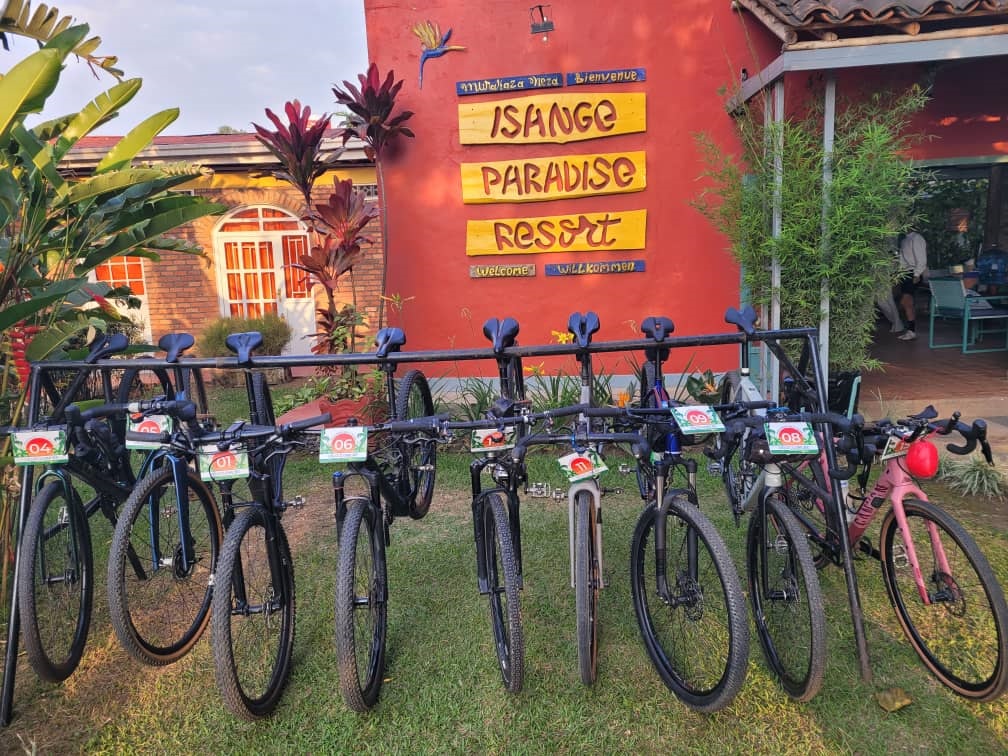
A well-planned itinerary can still be deeply fulfilling even when a traveler does not choose the most physically demanding activity. Scenic drives, cultural visits, garden dining, coffee experiences, cycling routes adapted to ability, and time spent in the Virunga foothills can create a meaningful Rwanda stay. The goal is not to force every traveler into the same itinerary. It is to make room for the experience that suits them.
Start With Specific Questions, Not General Requests
Saying “I need an accessible room” is a useful start, but it does not provide enough information for a lodge, guide, or tour operator to plan well. Travelers and travel agents get better results when they explain the practical details that will affect the stay.
For mobility needs, ask about step-free access from parking to the room, pathway surfaces, doorway widths, bathroom layout, shower entry, grab bars, bed height, and the distance to the restaurant. If a guest uses a wheelchair, walker, or cane, share the dimensions and whether assistance with luggage or transfers will be needed.
For travelers with limited stamina, ask about the number of stairs, the availability of rooms close to shared spaces, how long transfers take, and whether the day can begin slowly after an early activity. For sensory or neurodivergent travelers, discuss noise levels, lighting, dining times, crowd patterns, and the possibility of a quieter room or private dining arrangement.
Health needs also deserve direct planning. Confirm refrigeration for medication if required, access to drinking water, meal timing, dietary restrictions, and the nearest appropriate medical support. Travelers should bring their own medical guidance and insurance details, but a prepared local team can help make daily arrangements more comfortable.
The best question is often simple: “Can you describe this experience from arrival to departure?” It encourages the team to share useful realities instead of offering a generic yes.
Plan Gorilla Trekking Around Ability and Conditions
Gorilla trekking is not a uniform activity. Trek duration, elevation, vegetation, and trail conditions can vary significantly. A short trek on one day may still involve mud, steep sections, or narrow paths. Rain can change the experience quickly, which is part of the beauty of a rainforest environment and part of the reason expectations should be clear.
Travelers who want to trek should speak with their tour operator and park authorities well ahead of time about current options and appropriate support. In some circumstances, assisted transport arrangements may be available for guests who cannot walk the full route. Availability, suitability, cost, and park procedures must be confirmed in advance rather than assumed.
A private guide or carefully matched group can make a major difference. The right guide can set a considerate pace, explain what lies ahead, organize breaks, and communicate with park teams. Good support does not mean rushing a guest or speaking for them. It means helping them participate with dignity and confidence.
Golden monkey trekking may be appealing for some visitors, but it also takes place in a natural mountain environment. Do not select an activity based on an assumption that it will be easy. Ask for a current, realistic briefing and build in a flexible alternative if conditions are not right on the day.
Choose Accommodation That Supports Rest
Safari days often begin early, and returning to a restful base matters. A comfortable accommodation choice is not only about the room itself. It includes the arrival experience, staff communication, meals, gardens or common areas, access to Wi-Fi, and the ease of organizing the next day.
For travellers visiting the Volcanoes area, location can reduce unnecessary travel time. Staying near Kinigi can make early park logistics easier, leaving more energy for the experience rather than the road. Still, proximity alone is not enough. Confirm the details that matter to the guest, especially room access and bathroom features.
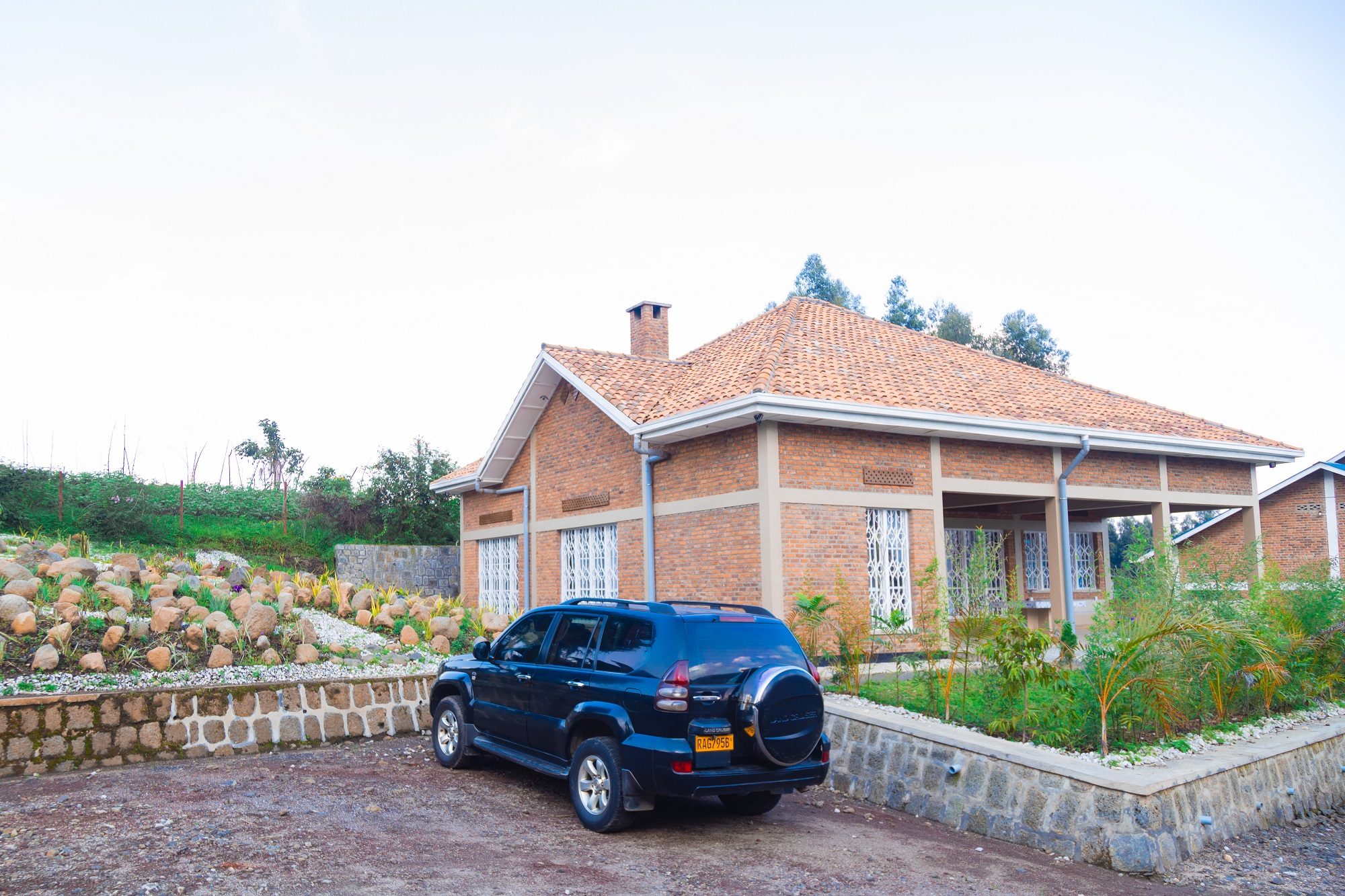
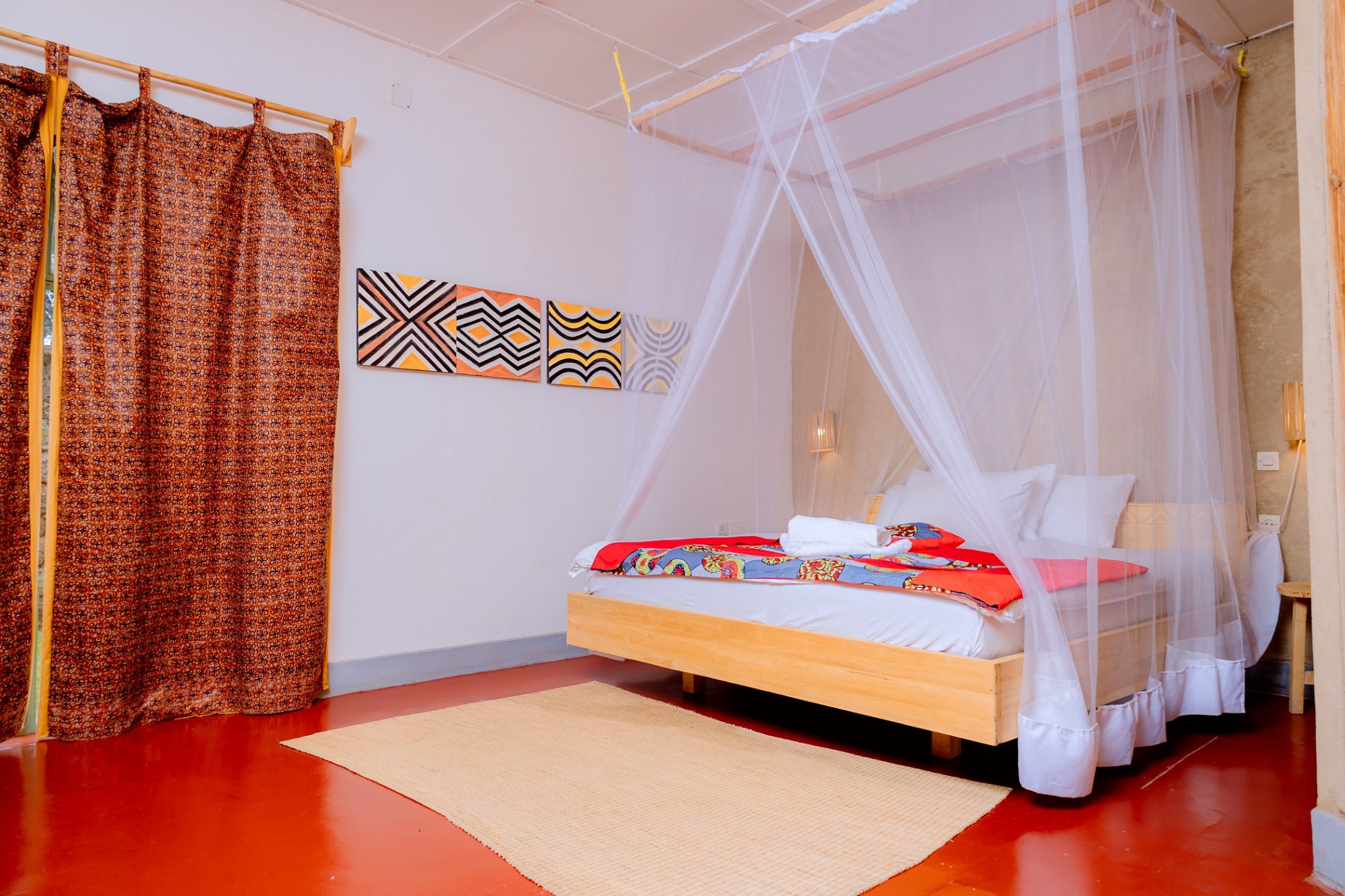
At Isange Paradise Resort, guests can discuss their needs before booking so the team can help identify the most suitable available accommodation format and practical arrangements for their stay. This kind of advance communication is particularly valuable for families, small groups, and travel agents coordinating several preferences at once.
Comfort also has an emotional side. A traveler managing chronic pain, fatigue, anxiety, or a new disability may need a place where they can take a break without feeling they are missing out. A garden setting, a warm meal, or an unhurried conversation with staff can become an important part of the trip.
Build a Flexible Transportation Plan
Accessible safari travel depends heavily on transport. Rwanda's roads connect major experiences efficiently, but mountain routes can be winding and travel times may be longer than they look on a map. A private vehicle can offer valuable control over stops, seating, luggage, temperature, and timing.
Discuss vehicle access before confirming the itinerary. Ask about step height, handholds, room for mobility equipment, seat comfort, air conditioning, and whether the driver can allow extra time for boarding. If transferring from Kigali to the north, plan comfort stops rather than treating the journey as a race.
For guests who travel with equipment, confirm how it will be handled and stored. Folding wheelchairs, oxygen supplies, medical coolers, and other essential items should never be an awkward surprise at pickup. Clear information helps the driver and accommodation team prepare properly.
Make Space for Meaningful, Lower-Pressure Days
A successful safari does not need to fill every hour. Mountain weather, travel fatigue, and the emotional intensity of a wildlife encounter all make room for a slower day worthwhile. This is especially true for travelers balancing access needs, but it benefits everyone.
Consider adding a relaxed coffee visit, time in a tropical garden, a local artisan experience, or a meal that does not come with a departure deadline. These moments create room to absorb Rwanda rather than simply collect activities. They can also offer a more accessible way to connect with local culture when a long hike is not the right fit.
Purpose matters here, too. Choosing locally rooted hospitality and community-connected experiences means travel spending can support more than an itinerary. It can contribute to livelihoods, education, health, and opportunity in the places that welcome visitors.
A Better Standard for Travel Partners
For tour operators and travel agents, accessible planning is a professional responsibility and a chance to build lasting trust. Do not wait for a traveler to disclose every need twice. Use a respectful pre-trip questionnaire, confirm arrangements in writing, and tell clients where conditions may be challenging.
Avoid labels such as “easy” or “fully accessible” without explanation. A property may have a ground-floor room but still have uneven paths. A trek may be shorter than another route but remain physically demanding. Honest detail protects guests and helps local partners deliver the care they intend to provide.
The most memorable Rwanda journeys are built with attention, not assumptions. When travelers are heard early, their safari can feel less like a compromise and more like what travel should be: welcoming, awe-filled, and shaped around the person taking the journey.






Comments
Be the first to share your thoughts.
Leave a comment