
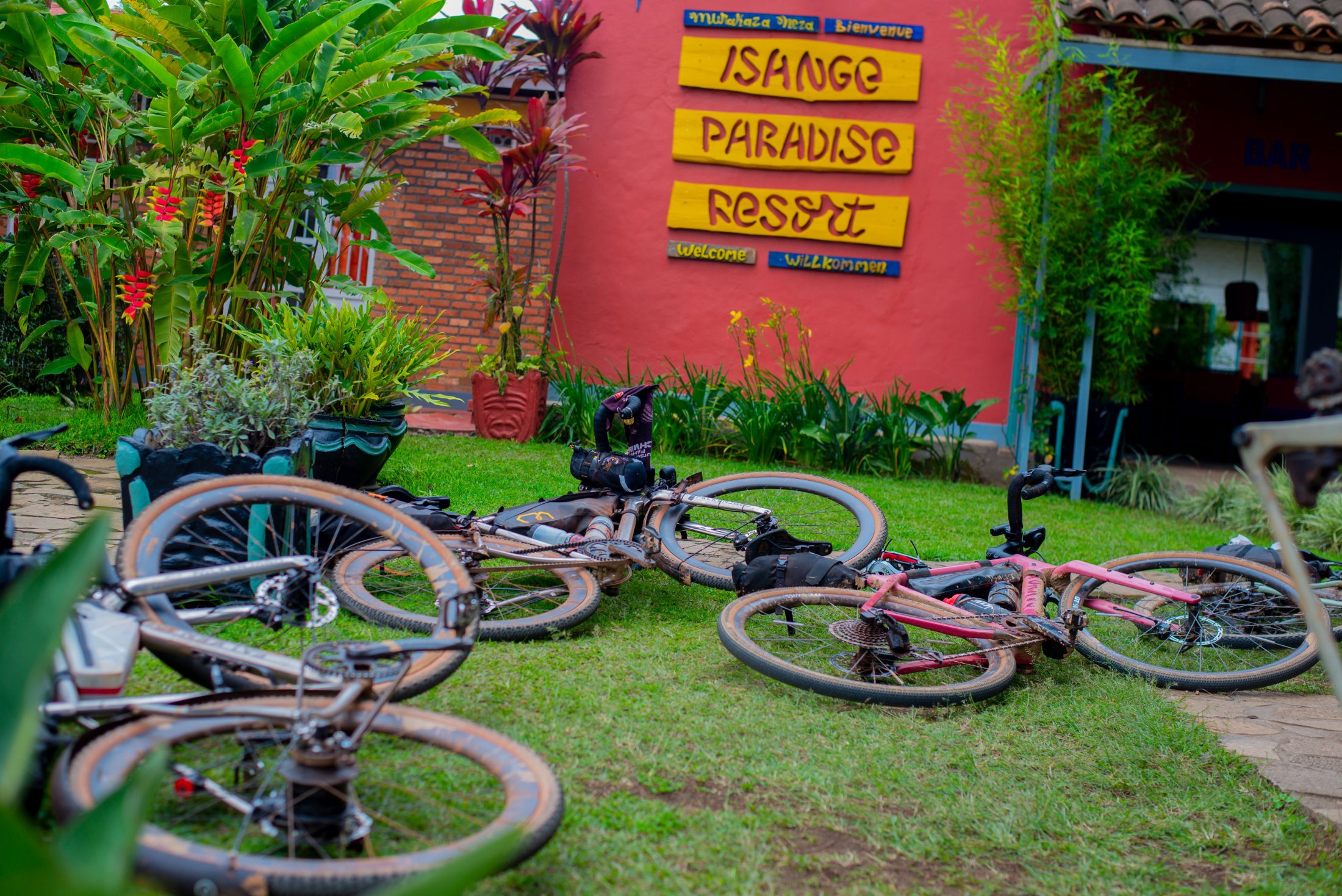
The right gravel cycling base near Volcanoes park changes more than your sleeping arrangements. In Northern Rwanda, a good base gives you a calm place to recover after climbing volcanic foothills, reliable access to the roads you came to ride, and people who understand that a bicycle trip runs on practical details as much as beautiful views.
Musanze and Kinigi sit in a landscape made for riders who enjoy texture, elevation, and a sense of place. Red-earth lanes leave the busier roads quickly. Farming villages, eucalyptus stands, potato fields, and distant volcanoes create a ride that feels active and grounded rather than staged. The conditions can be demanding, but that is part of their appeal.
Why Northern Rwanda Works for Gravel Riders
Gravel cycling around Volcanoes National Park is not about finding endless smooth, car-free gravel. It is about riding a living rural landscape with changing surfaces, regular climbs, and genuine local encounters. You may move from pavement to packed dirt, loose stone, mud, and rutted tracks within a single route. A bike with wide tires, confident handling, and sensible gearing makes a meaningful difference.
The terrain also rewards riders who prefer quality over speed. Many routes include sustained climbing, especially when you head toward the foothills or take quieter roads between small communities. The payoff is broad mountain scenery, cool morning air, and the pleasure of reaching a ridgeline under your own power.
This is not a destination for racing through with your head down. It is better suited to travelers who want to pause for a coffee, greet people along the road, photograph the Virunga volcanoes when the clouds lift, and return with enough energy to enjoy dinner and conversation in the evening.
Choosing a Gravel Cycling Base Near Volcanoes Park
Location matters, but the closest property is not always the best cycling base. Look for a stay that reduces friction at the beginning and end of each ride. Being near the Volcanoes National Park office can be especially useful for travelers combining cycling with gorilla trekking or golden monkey trekking, since an early park briefing may shape the next day’s plans.
A comfortable room, secure place to keep a bike, nourishing meals, hot showers, and reliable communication are not luxuries after a wet or high-elevation ride. They are what allow you to ride again the following morning. Garden spaces and quiet corners matter too. Northern Rwanda is visually dramatic, and a good base gives you room to absorb the experience rather than simply pass through it.
Isange Paradise Resort offers a purpose-led option for travelers seeking this balance near Kinigi. Alongside accommodation and dining, the resort’s social-business model reinvests profits in education, health, and community initiatives through Future 4 Kids. For cyclists who want their stay to contribute beyond their own itinerary, that is a meaningful reason to choose where they rest.
Plan Routes Around Conditions, Not Just Distance
A 30-mile gravel route in this region can feel much longer than the same distance on flat, dry roads. Elevation, surface quality, rain, traffic in village centers, and time spent stopping all affect the day. Plan conservatively, particularly if you have arrived recently and are still adjusting to the altitude.
Morning is usually the best time to begin. Roads are cooler, visibility is often clearer, and afternoon rain can make loose dirt slippery or turn clay sections into slow, sticky mud. In the wetter months, a route that looks easy on a map may become technically tiring. There is no prize for forcing a ride when conditions have changed.
If you are traveling independently, ask locally about recent road conditions before leaving. Roadworks, heavy rain, and seasonal farming activity can alter a familiar route quickly. A local guide or ride partner can add value not because every ride needs to be complicated, but because local knowledge helps you choose roads that suit your skill level and available time.
Build a Flexible Riding Day
Leave space in the plan for the unexpected: a road that is rougher than expected, a roadside conversation, a photo stop, or a weather delay. A short route with a clear turnaround point is often smarter than a long point-to-point ride that depends on perfect timing.
Cyclists combining rides with park activities should schedule their hardest gravel day away from a trek. Gorilla trekking can involve early starts and demanding hiking conditions. Treat it as the major physical effort it is, then use the day before or after for an easier spin, stretching, and recovery.
What to Bring for Rwanda’s Mixed Surfaces
Bike choice depends on your ambitions. For mostly hard-packed rural roads, a gravel bike with 40 to 45 mm tires can work well. If you expect rougher tracks, frequent rain, or more technical descents, wider tires and a mountain bike may offer greater comfort and control. Tubeless tires are helpful, though a spare tube, patches, tire plugs, and a reliable pump remain essential.
Bring lower gearing than you think you need. The climbs can be persistent, and loaded bikes make them more noticeable. Good brakes, fresh pads, and a clean drivetrain also matter in wet and gritty conditions. A small amount of mechanical preparation before your trip can save a day of riding later.
For clothing, think layers rather than heat. Mornings can feel cool, rain can arrive quickly, and the sun becomes strong when clouds clear. A lightweight rain shell, full-finger gloves, sunglasses, sunscreen, and a warm layer for early starts are sensible additions. Muddy shoes are part of the experience, so pack footwear that can handle it.
Carry more water and snacks than you would for an urban ride. You will pass shops and communities, but they may not appear exactly when your energy drops. Keep cash in small denominations for refreshments, and use a hydration system that is easy to refill safely.
Ride With Respect for the Landscape and Communities
The most memorable part of cycling here is often the human connection. You are riding through places where people walk, work, carry harvests, and bring children to school. Slow down through busy areas, give pedestrians space, and greet people warmly. A simple hello goes a long way.
Avoid treating every village as a backdrop. Ask before taking close photographs of people, do not block narrow paths, and be patient around livestock and farm traffic. This is everyday life, not a private cycling course.
Environmental care is equally practical. Keep wrappers and repair waste with you until you can dispose of them properly. Stay on established roads and tracks rather than cutting across cultivated fields. Rwanda’s clean, green reputation is supported by everyday choices, and visitors have a role in protecting the places they come to enjoy.
Recovery Is Part of the Adventure
A strong cycling trip has room for recovery. After a hard ride, prioritize a real meal with carbohydrates, protein, and plenty of fluids. Give wet clothing and gear time to dry. If your legs are heavy, choose a gentle walk through the gardens, a massage, or an unhurried evening over another ambitious route.
This is also where an accommodation base earns its place. A welcoming restaurant, comfortable bed, helpful staff, and a relaxed setting can turn a difficult weather day into a good travel day. For couples, families, and small groups with different energy levels, the ability to split up for activities and reunite somewhere comfortable is especially valuable.
Your best ride near Volcanoes National Park may not be the longest or steepest one. It may be the route that leaves enough time to look up at the volcanoes, share a meal afterward, and feel that your journey has supported the people and landscape that made it possible.






Comments
Be the first to share your thoughts.
Leave a comment